
“Ford is a luxury brand. Prove me wrong.”
So says a friend and colleague who used to be a luxury car dealer himself.
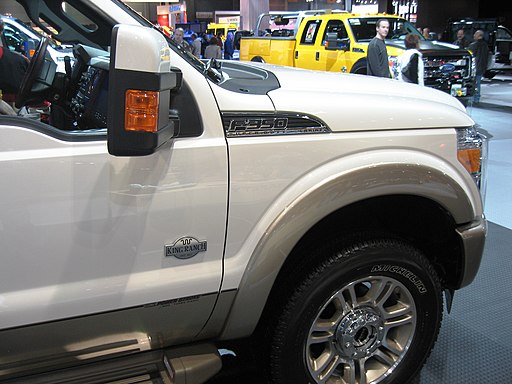
I see his point. The F-150, for instance, technically starts in the $30,000s but can easily be equipped for double that. (Some trim levels start in the $60,000s and $70,000s.)
I have had clients over the years with Ford and [insert import and/or luxury brand here] at the same location. Often, clients would buy a fancy sports car or luxury vehicle … and a decked-out Ford at the same time.
People want what they want.
An example from another industry: I have a client in the hospitality industry that has a chain of steakhouses, often tied to a less formal bar and grill. Revenue per ticket tends to be higher in the steakhouse than in the bar, right?
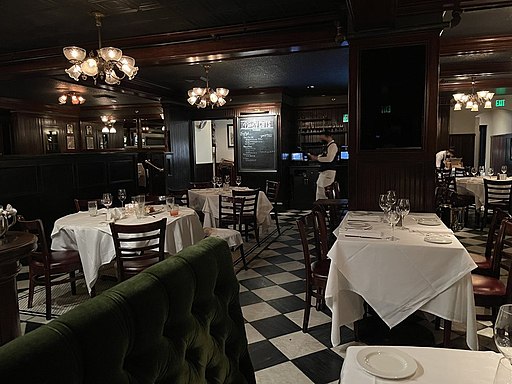
Well, yes, except at a location closer to a rural area. Rural doesn’t mean poor.
Wealthier people there maybe don’t feel as comfortable in a fancy steakhouse … but by golly if they can order a porterhouse while sitting in the bar, done.
My client provides stunning service, regardless of where you sit. They’ve figured it out.
As we start a recession, far be it from me to predict your customer demand. But this article has me thinking:
“Five trends shaping tomorrow’s luxury car market“
To be fair, the researchers at McKinsey & Company put $80,000 as the starting price for luxury in this article. But regardless of your price tag or industry–regardless of if you think of yourself as luxury–you have a chance to earn this business.
Insights from the luxury car world
Here are some insights from the article that apply to a variety of products or services sold. Remember, whatever you sell is part of an overall customer experience:
Despite a recession, there will be growth for higher-priced items. “Recession-proof” is a dangerous phrase to throw around. But I suppose the wealthy aren’t having to watch their gas and grocery bills as much as some of us. Are you ready for them? (The rest of the list will help.)
The Chinese market’s growth will influence design of items sold elsewhere. I am personally curious to see what Americans like about the Chinese tastes. An example: Buick in part survived the Great Recession’s cuts because of its popularity in China. GM provided that market stretch versions of what was sold here–no quite limos, but executive cars. What if that and other trends caught on here?
Customers want personalization or customization. We have been a personalization-obsessed culture for decades now. It will only intensify. What might your customers be looking for that caters to their personal preferences? I can see a sales experience that emphasizes the customer interview and then curates a presentation based on the preferences identified.
Customers want an experience on their terms. For instance, they want to buy from someone who lets them interact on their phone and in person … and to do so knowing that each person representing the company is aware of the previous interactions. No starting from scratch explaining their situation each time. To provide that, what enhancements will you need to make to your processes?
There are other insights from the article that have to do with car manufacturers selling directly to consumers. That is an incredibly controversial subject at my dealership clients for obvious reasons.
But let’s touch on one element that we can all agree on: Customers want a consistent, transparent experience. If the brand promises x in its YouTube ads, it better deliver on x when a customer shops in-person. What is your brand promising? How often do you deliver? What gets in the way of it happening?
One more thing: If you aren’t luxury … how much of the above would still surprise and delight your customers?
There are all coaching questions to help you process. If you need a coach to take steps, let’s talk.