
I have seen a lot of bad hires over the years.
Managers will be really excited about a new recruit. Then slowly over the course of time, they will realize the person isn’t who they said they were.
Or worse, they won’t realize it: The person was so good at faking it in the interview that they faked it on the job. Getting rid of that person took way longer than it should have and cost a lot of damage on the way.
There is a method to screen out deceivers–even the ones who deceive themselves–in interviews:
You were not allowed to graduate from my college program without passing a course where you shadowed a professional, created a resume and portfolio, and learned how to interview.
That was more than two decades ago. The interview technique has shown up every time I have interviewed.
But it is so rare in retail, especially automotive.
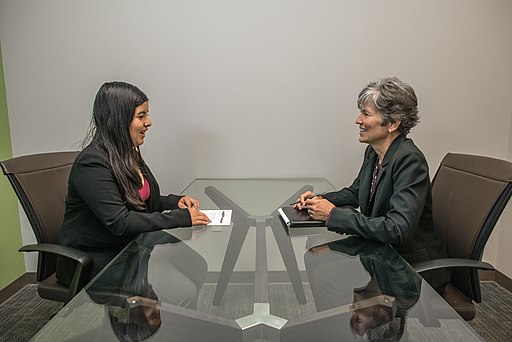
I’m talking about behavior-based interviews.
The gist is that you would never, ever ask, “What would you do if. …”
Instead you’d request, “Tell me about a time you. …”
Then you would give them enough time to think of an appropriate story or example from their past that would address whatever situation you threw at them.
We like stories here at Hip Socket.
Instead of asking them to make up how they would handle, say, an upset customer, you would ask them to tell you about a past time they handled an upset customer.
Now, instead of hypotheticals, you’re dealing with actual performance.
It works for those without job experience, too: They can draw on experiences in sports or the military or school. You’re trying to find out how they would act in real-world scenarios–not how they think they would act.
One other hint: Much like in coaching, don’t be afraid of silence. They might need time to think of a story or example. You want to settle them down so they can think instead of vapor-lock in the tension of an interview.
I hope this helps you. Here’s a great list of behavior-based questions to get you started.