
“Don’t worry about the money. Do the right things, and the money will come.”
Coaches and consultants like me say such things. Most people nod their heads.
But do you really believe the statement?
If you do, in the short term your team may look like losers.
I can illustrate by taking you to the world of judo.
Meet my kids. This summer they were kicked out of judo.
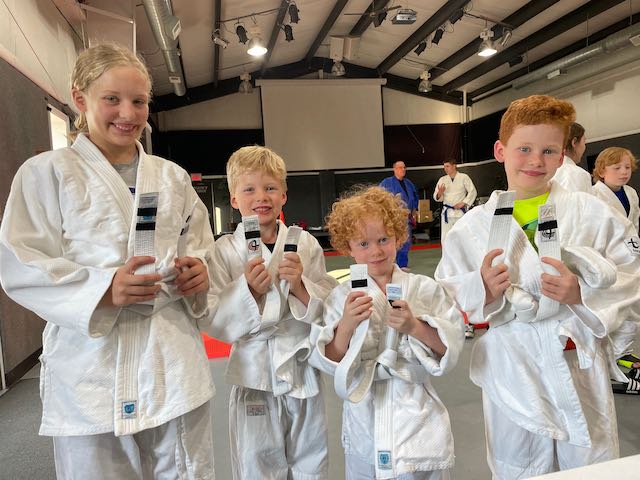
I was talking to another parent, so I missed the offending event: All four of my kids were talking and roughhousing when they should have been listening. At the end of the practice, Sensei told them what they had done and had them do 50 sit-ups.
One of the four thought this was funny. Sensei is a gentle man, so he had to raise his voice and make it stern: They would also be banned from the next practice. (Then he winked at me, knowing that we would be out of town for that practice.) All four kids did indeed take notice. They recognized that their behavior was a respect issue.
In judo, you bow entering and leaving the mat. You bow to opponents before and after matches. Respect and humility are integral to its practice.
But think about what Sensei risks in this focus on respect. In the short term, he loses. Angry parents. Lost income. Kids who drop out and never go to a tournament.
If you focus on the result, humanity gets distorted.
But, in the long term, he ensures his pupils grow. At Hip Socket, we say, “Wrestle and grow.” Sensei gives opportunities for his classes to literally wrestle … and to wrestle with humility.
It turns out Judo discipline has become a national crisis in Japan. Last month, the All Japan Judo Federation canceled a prestigious national tournament for ages 10-12. Its president (an Olympic gold medalist) said it is because corporal punishment, pressure to lose weight to drop to a lighter class and a focus on winning is burning out a generation of kids.
My kids’ sensei emphasized punishment as an opportunity to grow in discipline. But the Federation worries that punishments in Japan are focused on ensuring kids win matches.
So we are clear about what is at stake: 121 Japanese students died as a result of judo-related accidents from 1983 to 2016. Those numbers are collected just for school events and do not include extracurricular dojo accidents.
Are short-term wins worth long-term burnout? (We can all agree they aren’t worth death, right?)
Here is the quote from the president that grabbed my attention:
Judo is a sport that emphasizes humanity. If you see no worth in anything but winning, and the result is all that matters, that gets distorted.
Yasuhiro Yamashita
If you focus on the result, humanity gets distorted.
That’s not happening with my kids’ judo training. Sensei emphasizes humanity–something Hip Socket has discussed on many occasions here on the blog. It is crucial to organization success.
The ancient Greeks talked about arete. The word originally meant martial prowess–you know, like judo–but came to mean manliness in a broader sense: courtly manners and even moral excellence. That’s how it is used in the Bible.
It has a broad application to today’s topic and to organizational improvement. We must strive to our potential. You won’t do that unless you are willing to focus on the long term: morality, values and humanity.
The results will come.