
Why I haven’t retired to the Bahamas yet
Years ago, an influential and well-connected man in the automotive industry approached me: Would I become the first sales rep for a new company?

The company sold dealerships a service to ensure that, when a customer searched for, say a Ford Explorer, the pages for individual Explorers in the dealership’s inventory would show up high in the search results. These pages are known as VDPs, vehicle detail pages.
At least, I think that’s what they do. I couldn’t completely grasp it, so I had to turn it down.
And that’s why a couple years later I had to smack my forehead when I realized that some of my biggest clients now used this service, called LotLinx.
My lack of understanding the value (for dealerships and car shoppers!) of this product parallels something I know many businesses are struggling to understand now: “content creation.”
We’re all content creators?
Vox recently published “Why ‘how to become a content creator’ is such a popular search term.” It’s worth a read, an introduction that is reasonable instead of breathless. It had me thinking about the parallels between car shoppers looking at VDPs and customers looking at “content.”
VDPs help shoppers see what a vehicle is really like. What an actual model might cost. What it features. What it looks like in a certain color. And so on.
That is, in some sense, content. And car dealerships track how many eyeballs look at such pages and for how long.
Which is no different from the tracking you are subjected to on the last news page you looked at. Or social media site. Or online storefront. Or porn site. Or this blog! They all want your eyeballs.
Vox points out that what has changed is that everyone is realizing they, too have content to offer the world and grab those eyeballs.
Maybe it is an online platform where they can monetize people looking at their videos, like YouTube or some pornographic sites.
Maybe it is a social media channel where they can attract enough of an audience to sell their own product or service, or perhaps endorse someone else’s.
Content creation has become synonymous with keeping an audience’s attention online.
You already do this
Years ago I sat through a presentation by Google discussing how a business should populate their vertical search listing. Once businesses claim those search results as officially theirs, they can add more than just contact information and hours. They can add explanations and–here’s the rub–photos.
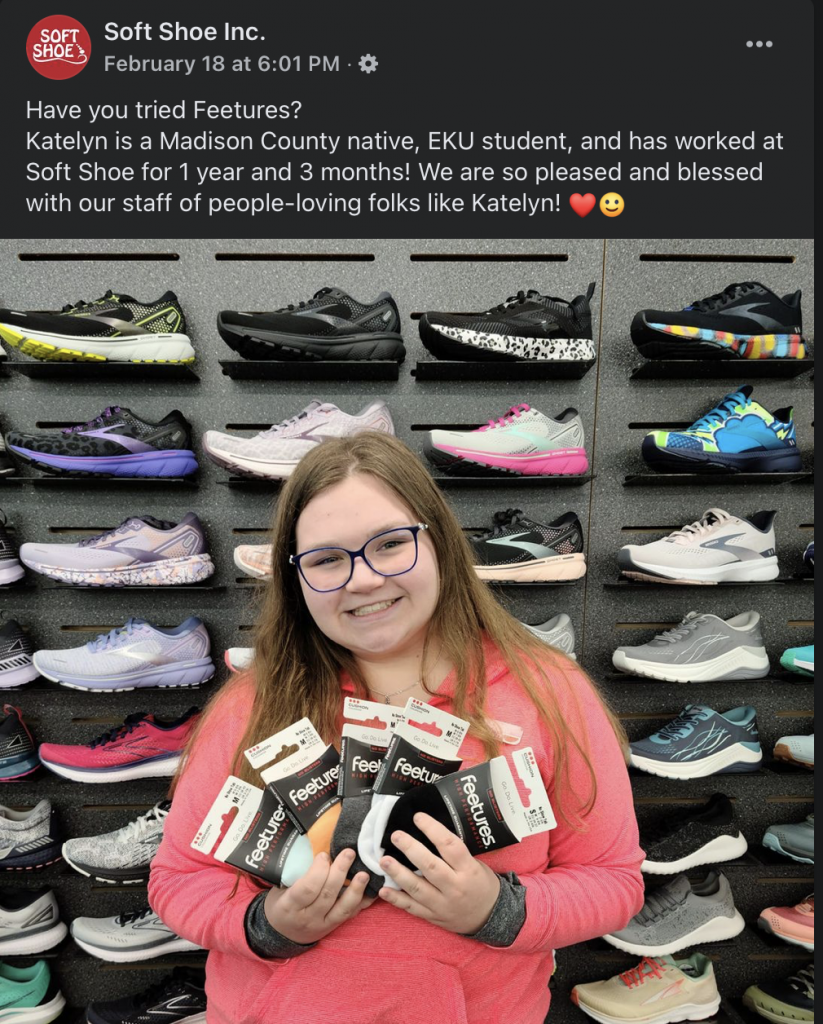
Google’s research at the time showed that photos of, say, a storefront or a parking lot were much less helpful to customers than something else:
People.
Photos of customers, but especially of employees, smiling tended to build more trust for the online shopper than anything else.
And now we have video, perhaps soon VR, content to add.
I’m oversimplifying, but I think this the takeaway: How can your content, whatever it is, build trust?
For my clients that sell insurance, maybe it’s showing who you are authentically (and professionally), so that people trust you with major life decisions.
For my clients that sell retail goods, maybe it’s showing employees interacting in a way that appeals to your target markets.
For my clients that are charities or tourist organizations, maybe it’s sharing stories that illustrate the impact your service (and donors … and taxpayers …) have on individuals.
Notice how content is not, in and of itself, selling. VDPs posted to Facebook don’t tend to work.
Your content should educate or entertain. Or both. In return for the eyeballs, offer something of value.
Just remember that the content ought to really introduce you to the potential client. Build trust.